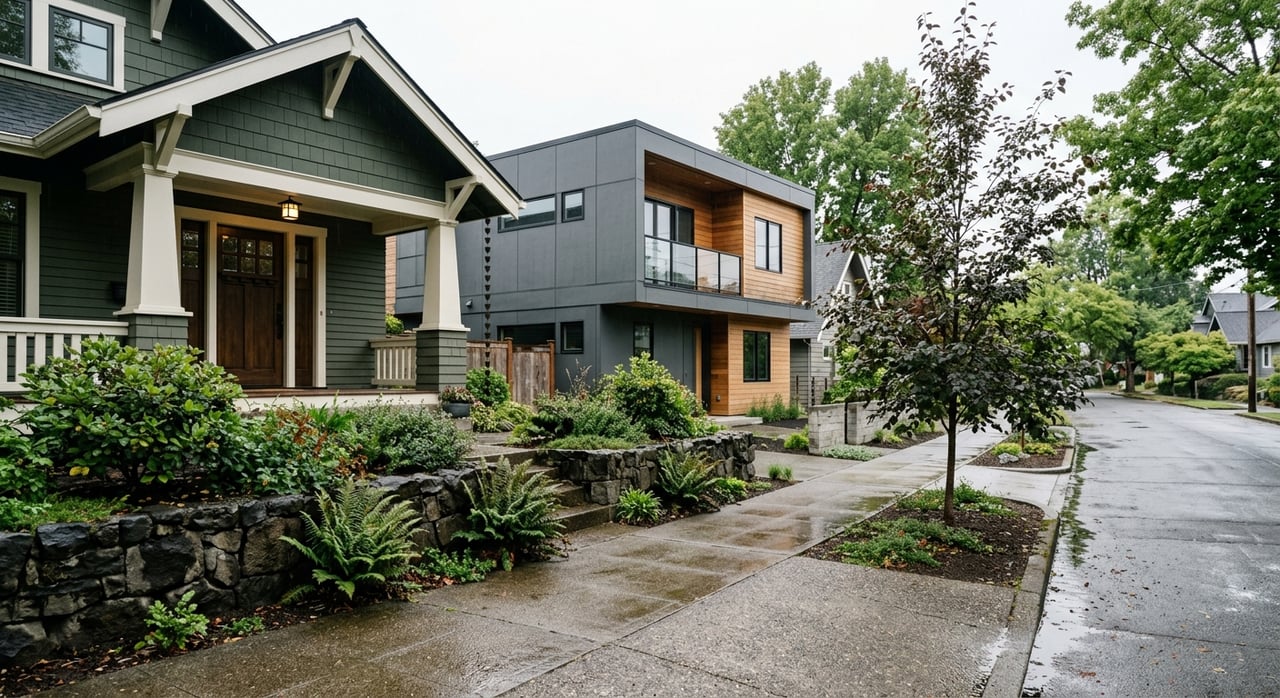
Wondering which Edmonds neighborhood actually fits your daily routine, not just your wish list? That is one of the smartest questions you can ask before you start touring homes. In Edmonds, the biggest differences between neighborhoods often come down to how you live each day: whether you want to walk to coffee and the waterfront, handle errands quickly by car, or come home to a quieter, more park-centered setting. Let’s break down how five Edmonds areas differ for everyday homebuyers.
Why Edmonds Feels Different Block to Block
Edmonds packs a lot into a relatively small shoreline city. The city has one mile of shoreline, 47 park and open-space sites, and a compact downtown that it describes as walkable and part of Washington’s first certified Creative District.
That variety shapes how different parts of Edmonds feel in real life. City land-use materials show that the main commercial activity is concentrated in Downtown and along the Highway 99 corridor, with smaller neighborhood commercial nodes such as Westgate. For you as a buyer, that usually means your day-to-day experience will depend on how close you want to be to shops, transit, parks, and quieter residential streets.
Downtown Edmonds: Walkable and Connected
If you picture yourself walking to restaurants, galleries, the waterfront, and transit, Downtown Edmonds is the clearest fit. It is the city’s most walkable and transit-connected area, with the Creative District centered in the heart of downtown near public gathering spaces, parks, historic structures, and shoreline views.
Downtown also stands out for transportation access. Edmonds Station serves Sounder rail and connects with Community Transit bus routes, and Community Transit also lists direct ferry connections to the Edmonds Ferry Terminal. If you want a neighborhood where more of life can happen without getting in the car every time, downtown offers the strongest match.
From a housing standpoint, downtown is also the most mixed of the areas in this comparison. The city recognizes both Downtown Mixed Commercial and Downtown Mixed Residential areas, and local housing descriptions commonly include older Craftsman homes, bungalows, ramblers, townhomes, and condos.
The tradeoff is practical. The city’s resident and visitor parking permit system is a clue that parking management matters here more than in more suburban parts of Edmonds. If you prefer extra parking convenience, a driveway-focused setup, or quieter street patterns, downtown may feel less comfortable than other options.
Westgate: Everyday Convenience First
Westgate is a strong option if you want a more classic suburban feel with useful daily conveniences nearby. The city describes Westgate as one of Edmonds’ neighborhood commercial areas and created a Westgate Mixed-Use zone district to support redevelopment there.
In simple terms, Westgate works well for buyers who want practical errands close by without living in the busiest part of the city. Groceries, casual dining, and everyday services are part of the appeal, especially if you do not need a waterfront setting to feel at home.
Housing in Westgate remains largely suburban. Local descriptions point to many single-family homes from the 1950s and 1960s, including ramblers, split levels, traditionals, and contemporaries, with newer apartment and mixed-use development concentrated near the commercial node.
That combination makes Westgate a useful middle ground. It is more suburban than downtown, but less secluded than the more park-heavy areas. If your priority is convenience, driveway-and-garage living, and a neighborhood-scale commercial center, Westgate is often an easy place to start.
Meadowdale: Nature and Privacy
Meadowdale tends to appeal to buyers who want their home life to feel quieter, greener, and more removed from the busiest commercial pockets. Among the neighborhoods in this comparison, it is the most nature-forward.
One of the biggest draws is Meadowdale Beach Park, which Snohomish County describes as a 108-acre park with a 1.25-mile one-way nature trail through old forest to the beach, along with estuary habitat and Olympic Mountain views. The county also notes that the lower parking lot is ADA-accessible, though the park itself is intentionally trail-based and hike-in by design.
Housing in Meadowdale is generally more suburban and woodsy than urban. Local descriptions often mention winding roads, woodsy cul-de-sacs, midcentury-modern subdivisions, split- and bi-level homes, and newer single-family houses on mid-size lots.
For many buyers, that translates to more privacy and a calmer residential setting. The tradeoff is that Meadowdale is less centered on walkable retail. Because Edmonds’ main shopping districts are Downtown and Highway 99, Meadowdale usually works best if you are comfortable driving for most services.
Seaview: Established and Park-Centered
Seaview offers an established residential feel with a strong park presence. If you want a quieter neighborhood atmosphere with nearby recreation, Seaview deserves a close look.
A major anchor here is Seaview Park, a 5.5-acre neighborhood park with tennis courts, a children’s play area, open lawn, picnic area, restroom, softball and soccer fields, basketball court, and parking. The city also highlighted an inclusive playground project that opened in 2019, reinforcing the neighborhood’s strong park identity.
Housing in and around Seaview is typically more established than newly built. Local descriptions commonly refer to a mix of mid-century and contemporary homes, including split-levels, ramblers, and custom contemporaries on tree-lined streets.
From a day-to-day standpoint, Seaview is more park-centered than shop-centered. Edmonds’ main commercial activity is concentrated elsewhere, so Seaview often functions as a calm residential base with errands, dining, and other services reached by car.
Esperance: Edmonds-Adjacent With a Key Detail
Esperance is worth considering if you want access to the Edmonds market but are open to a nearby enclave with a different jurisdiction. This is the neighborhood where map-checking matters most.
Official city material describes Esperance as an unincorporated enclave in Edmonds’ southeast corner, and Snohomish County describes Esperance Park as being in the unincorporated “doughnut-hole” of southwest Snohomish County. In practical terms, buyers often view Esperance as part of the Edmonds market, but specific properties may not be inside Edmonds city limits.
Housing in Esperance is more varied than some buyers expect. Descriptions of the area point to mostly medium-sized single-family homes, along with some smaller homes and apartment stock.
Esperance also has a strong neighborhood park asset. Esperance Park is a 9.6-acre county park with athletic fields, a sport court, an off-leash dog area, outdoor art, a playground, and primitive forest trails. If you want a quieter residential setting with Edmonds-adjacent access, Esperance can be appealing, but you should confirm city versus county jurisdiction for any property you seriously consider.
How to Choose the Right Fit
When buyers compare Edmonds neighborhoods, the best question is often not “Which area is best?” but “Which area fits my routine?” A neighborhood that feels perfect for one buyer can feel inconvenient for another.
Here is a simple way to think about it:
- Choose Downtown if you want walkability, transit access, waterfront proximity, and a more active street environment.
- Choose Westgate if you want suburban housing with nearby everyday errands and a practical neighborhood-center feel.
- Choose Meadowdale if you want trails, beach access, trees, and a quieter residential setting.
- Choose Seaview if you want an established neighborhood with a strong park presence and calmer streets.
- Choose Esperance if you want an Edmonds-adjacent residential setting and are comfortable verifying jurisdiction details property by property.
What Buyers Should Watch For
No matter which Edmonds area catches your eye, it helps to focus on lifestyle details early. A home can look great online but feel very different once you factor in parking, street activity, errand patterns, and how often you want to drive.
As you narrow your search, pay attention to:
- How often you want to walk versus drive
- Whether transit access matters to your routine
- How important nearby parks or shoreline access are to you
- Whether you prefer mixed housing types or mostly single-family streets
- How much parking convenience matters
- Whether the property is inside Edmonds city limits or in unincorporated Snohomish County
That kind of neighborhood-level thinking can save you time and help you buy with more confidence. It also makes it easier to focus your search on places that support your everyday life, not just your budget or bedroom count.
If you are comparing Edmonds neighborhoods and want help matching your budget, lifestyle, and priorities to the right area, the Christophilis Team is here to help with thoughtful, local guidance and a free consultation.
FAQs
Which Edmonds neighborhood is most walkable for homebuyers?
- Downtown Edmonds is the most walkable area in this comparison, with strong access to shops, restaurants, the waterfront, and transit.
Which Edmonds neighborhood is best for everyday errands?
- Westgate is often the most practical choice for everyday convenience because it functions as a neighborhood commercial center within a more suburban setting.
Which Edmonds neighborhood feels most nature-focused?
- Meadowdale stands out as the most nature-forward option, especially for buyers who value trails, beach access, trees, and a quieter residential environment.
Which Edmonds neighborhood has a strong park identity?
- Seaview is especially park-centered, with Seaview Park serving as a major neighborhood feature for recreation and open space.
What should buyers know about Esperance in the Edmonds market?
- Esperance is commonly treated as part of the Edmonds market, but it is an unincorporated enclave, so you should verify whether a specific property is inside Edmonds city limits or under county jurisdiction.
How do Edmonds neighborhoods differ most for daily life?
- The biggest differences usually come down to walkability, access to errands and transit, parking convenience, and whether the area feels more urban, suburban, or nature-oriented.