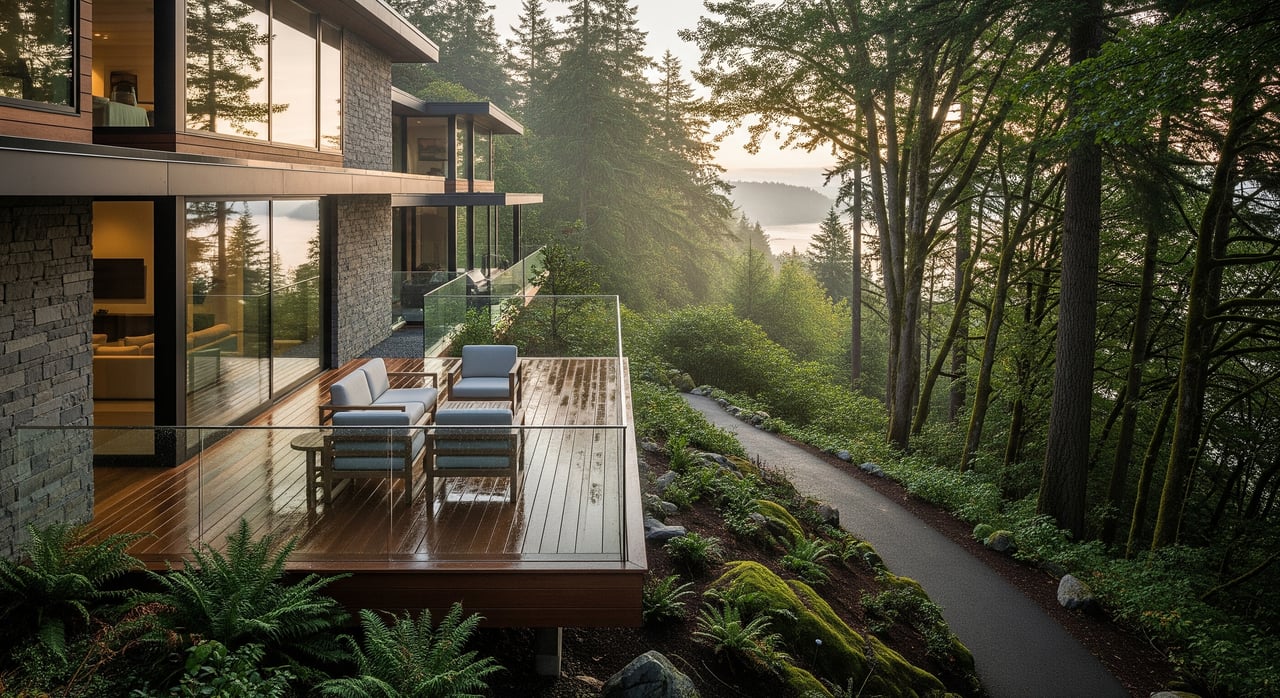
Dream of stepping from your front door onto a peaceful trail for a morning walk or an easy bike ride to coffee? If you are looking in Lake Forest Park, living near the Burke-Gilman Trail can make that part of your daily routine. You want the perks of trail access without surprises about privacy, noise, or rules. In this guide, you will learn what trail-side living means in Lake Forest Park, how to weigh pros and cons, and what to check before you buy or sell. Let’s dive in.
Burke-Gilman at a glance
The Burke-Gilman Trail is a regional, multi-use path that connects north Seattle with communities to the northeast, including parts of Lake Forest Park and Bothell. It follows a former rail corridor and is popular with walkers, runners, cyclists, and micromobility users. In Lake Forest Park, the trail runs along or near the city’s western edge and offers a continuous, non-motorized route through the area. Different segments are managed by different jurisdictions, so width, surface, signage, and rules can vary.
Daily life near the trail
Walkable access to a major trail supports an active lifestyle. Many residents use it for daily walks, stroller time, runs, and weekend bike rides. You can reach nearby parks, viewpoints, and neighborhood greenbelts without getting in the car. The trail can also connect you to small retail areas in and near Lake Forest Park, which can make short, non-motorized trips more practical.
Commuting and connectivity
For many, the Burke-Gilman doubles as a commute option. You can bike or walk to jobs in north Seattle and beyond, or reach transit transfer points and continue by bus or train. The trail intersects or parallels key roads and bus routes, which makes bike plus transit an easy combo for weekday travel. If you prefer to stay car-light, trail proximity can make that realistic.
What you will love vs. what to watch
Living near the trail is a lifestyle choice. Here are the common tradeoffs to consider in Lake Forest Park.
Benefits you may love:
- Easy access to a regional path for daily exercise and family outings.
- Car-free routes to parks, nearby shops, and transit stops.
- A sense of community as neighbors use the same shared space.
Things to watch:
- Privacy: Homes right along busy segments may feel more exposed. Fencing or landscape buffers can help, if allowed.
- Noise and activity: Daytime and early evening use can mean more voices, bikes, and movement near your yard.
- Parking and trespass: Streets near popular trailheads can see more parked cars and foot traffic.
- Safety perceptions: Concerns vary by block and time of day. Check the specific segment you are considering.
Property rules and site details
If a property abuts the trail, it may be affected by easements or public right-of-way. Review the title report and plat maps to understand what crosses the lot and where. Local codes can also limit fences, gates, or structures near the trail. Before you plan improvements, confirm setbacks and any buffer rules with the City of Lake Forest Park.
Environmental factors can come into play near Lake Washington or on sloped greenbelts. Steep slopes, wetlands, and other critical areas can affect how you use your yard and what you can build. Most owners do not face special liability just because a public trail is nearby, but if you have a private access point or gate, check coverage with your insurer.
Value impact: what the market says
Trails often increase appeal for buyers who want outdoor access and active-transportation options. That can support value, but the effect is not the same for every home. Distance from the trail, visibility, privacy, and neighborhood context all matter. The best way to understand value in Lake Forest Park is to run local comps that control for trail proximity and to consult an appraiser if needed.
Research checklist for buyers
Use this quick plan to evaluate a specific property near the Burke-Gilman in Lake Forest Park:
- Confirm exact distance and orientation to the trail with parcel maps and aerials.
- Review the deed and title for any public or utility easements along the lot.
- Check local code for fence height, setbacks, lighting, and gate rules near public trails.
- Contact the managing agency for that segment to ask about maintenance schedules, lighting, and planned projects.
- Visit at different times: weekday commute, weekend midday, and an evening to observe noise, traffic, parking, and privacy.
- Review local public safety dashboards for recent, nearby reports.
- Speak with neighbors about peak trail times and parking spillover patterns.
- Verify school district boundaries by address with the district directly.
- Ask your agent to run comps that isolate trail proximity and similar home features.
Smart strategies for sellers near the trail
If you are selling a home close to the Burke-Gilman, lead with the lifestyle in your marketing. Show how easy it is to step out for a walk or cruise to coffee or a transit stop. At the same time, address common questions with clear facts.
Prep the property:
- Enhance privacy where allowed with approved fencing or well-placed landscaping.
- Highlight outdoor living zones that face away from the trail or have buffers.
- Stage with a trail-forward lifestyle in mind, and use quality photos of nearby path access if appropriate.
Set clear expectations:
- Share what days and times are busiest, based on your experience.
- Provide documentation of easements, recent maintenance, or local code guidance when available.
If your home struggled to sell before, repositioning can make the difference. The Christophilis Team specializes in listing recovery with hands-on staging, photography, and pricing strategy to reach the right buyer and address trail-related questions upfront.
Safety, etiquette, and maintenance basics
The Burke-Gilman is a shared-use trail. Users are expected to follow posted signs and yield appropriately, with cyclists often yielding to pedestrians in many local codes. Conflicts can happen in narrow sections, which is why passing etiquette and speed control matter.
Lighting varies by segment, and evening conditions differ along the corridor. In fall and winter, wet leaves and occasional ice in shaded areas can make surfaces slippery. Maintenance like surface repair, vegetation control, and trash pickup is handled by the agency that owns each segment. Volunteer cleanups sometimes support this work.
Planning and future improvements
Because the trail crosses several jurisdictions, planning and upgrades occur on different timelines. Common improvements include widening, better lighting, clearer signage, separation of modes, and safer roadway crossings. If you want to know about a specific stretch near a property, check City of Lake Forest Park planning documents and meeting notes, as well as King County Parks and City of Seattle project pages for regional context.
Is living close right for you?
Choose based on how you live day to day. If you value fitness, car-free trips, and a community feel, being near the trail can be a major plus. If you prize seclusion over convenience, consider homes that are close enough to use the trail but not directly on it. The right buffer, lot orientation, and elevation can give you the best of both worlds.
Work with local guides who know the trail
You deserve clear answers and a calm, proven process. Our team pairs neighborhood-level insight in Lake Forest Park with careful pricing, negotiation, and staging to help you buy with confidence or sell with ease. Whether you are a growing family, a downsizer, or you need a fresh plan after a listing expired, we are here to help. Ready to talk about homes near the Burke-Gilman? Connect with the Christophilis Team for a friendly, no-pressure consultation.
FAQs
What is it like to live next to the Burke-Gilman in Lake Forest Park?
- You get easy access to a regional trail for recreation and commuting, along with more foot and bike activity near your street, which can affect privacy and noise at certain times.
Does living near the trail increase home value in Lake Forest Park?
- Trails often add appeal for many buyers, but price impact varies by distance, visibility, and local context; rely on Lake Forest Park comps and, if needed, an appraiser.
How can I check privacy and noise before buying a trail-side home?
- Visit the property at several times, including commute hours and weekends, and note sightlines, buffers, and street parking patterns near trailheads.
Are there rules for fences or gates next to the Burke-Gilman?
- Local codes and easements can limit fence height or gate placement near the trail, so review the title report and confirm with the City of Lake Forest Park.
Who maintains the Burke-Gilman segment near Lake Forest Park?
- Maintenance depends on who owns that segment, which can be the City of Lake Forest Park, King County, or the City of Seattle; contact the relevant parks or public works department.
Is the trail safe at night near Lake Forest Park?
- Safety varies by segment and conditions such as lighting and activity; check recent public safety reports and observe the area after dark before making a decision.