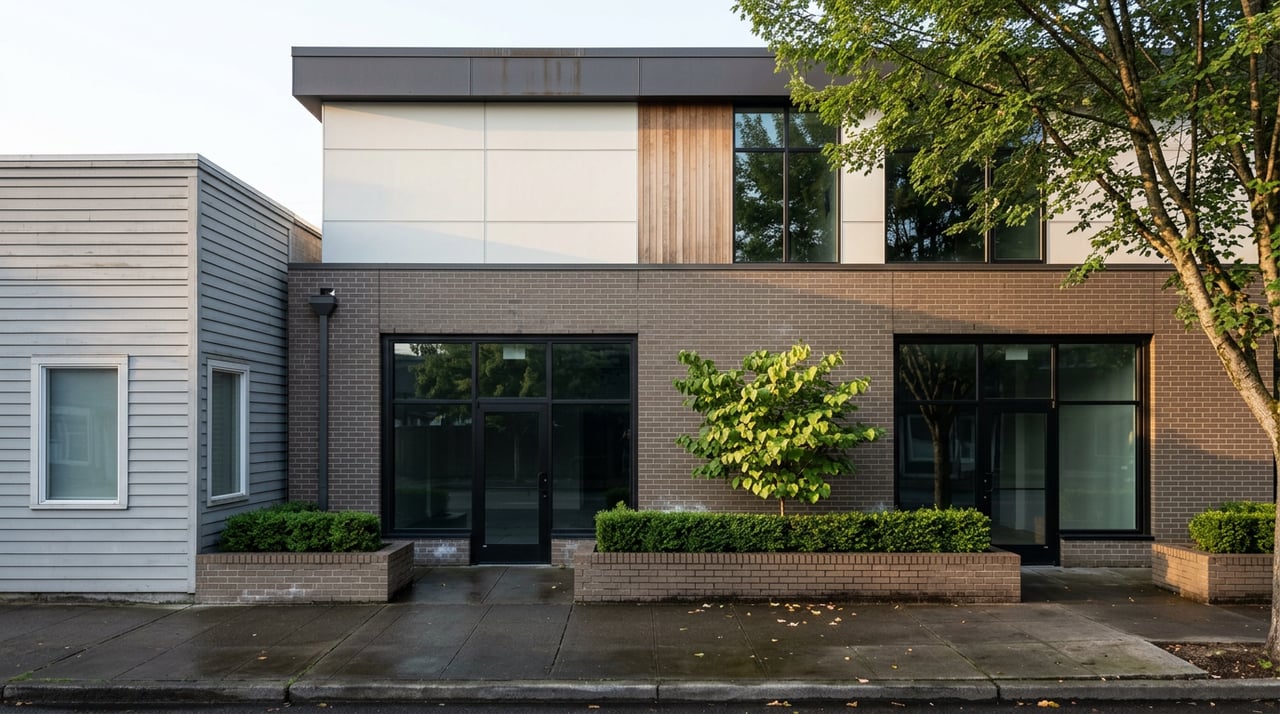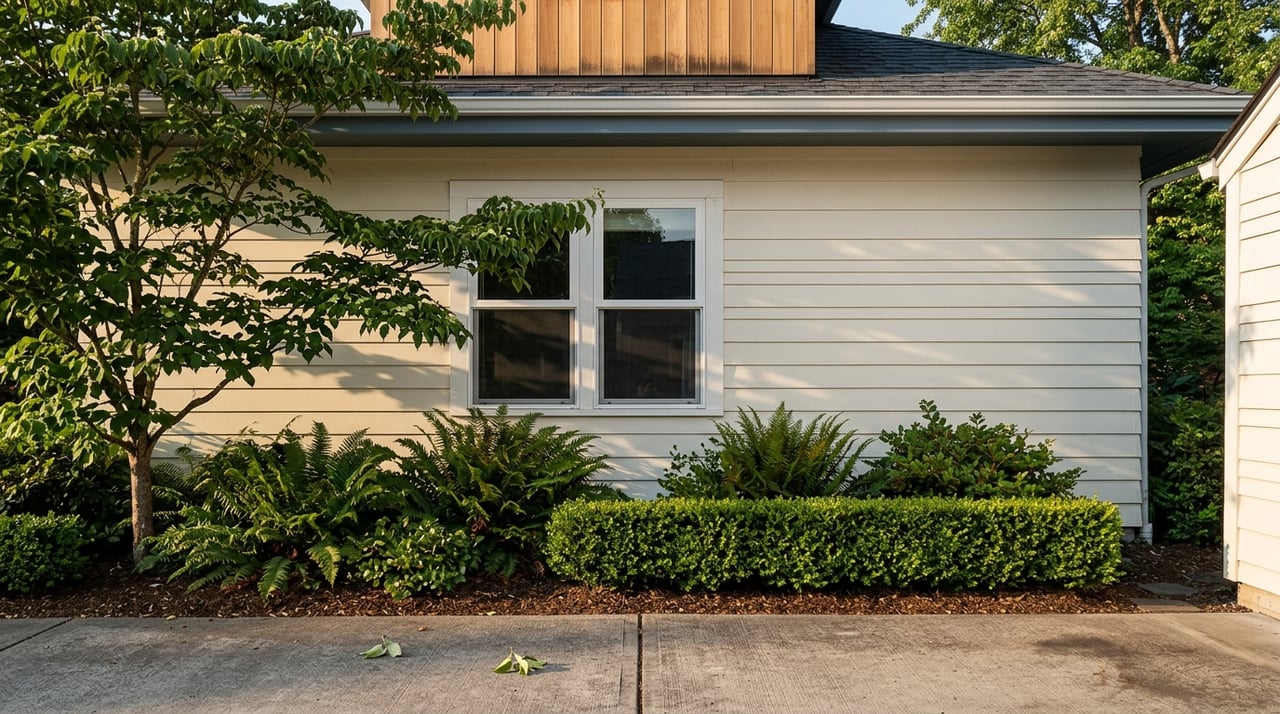
Two buyers wrote offers on the same Queen Anne bungalow last spring. The seller had commissioned a pre-inspection and a sewer scope video, both clean, both included in the listing packet. The first buyer read the packet, waived the inspection contingency, and moved on to closing. The second buyer kept the contingency anyway, paid for an independent sewer scope, and found root intrusion at the property line that the listing's camera angle never reached. The second buyer closed on a house with a known problem and a negotiated credit. The first buyer would have closed too, then spent the following winter writing a five-figure check to Seattle Public Utilities for a repair nobody warned them about.
That gap between the two buyers is the whole story of what an inspection is actually for in Seattle right now.
The contingency stopped being a formality
In 2021 and 2022, waiving the inspection contingency was close to a competitive requirement in North and Central Seattle. If you kept it, you looked like a buyer who wasn't serious. That is not the market anymore. Sellers are still fielding strong offers, but buyers who know the housing stock are keeping the contingency and using it the way it was designed to be used: not as an exit ramp, but as a way to reprice the house against evidence the seller has already put on the record.
That distinction matters for both sides of a transaction. A seller who understands which findings actually move price can prepare for them before a buyer's inspector does. A buyer who understands the same list can write a tighter, more credible contingency instead of a vague one that spooks the seller for no real gain. Seattle's older housing stock and its geology produce a short, predictable list of expensive surprises, and once you know the list, the inspection period stops being a mystery and starts being a negotiation you can actually plan for.
The short list Seattle's older homes keep producing
Four things show up again and again in neighborhoods with pre-1985 construction:
- Side sewer lines on homes built before 1985, especially where century-old clay pipe runs under mature street trees
- Active knob-and-tube or aluminum wiring, most common in homes built before 1950
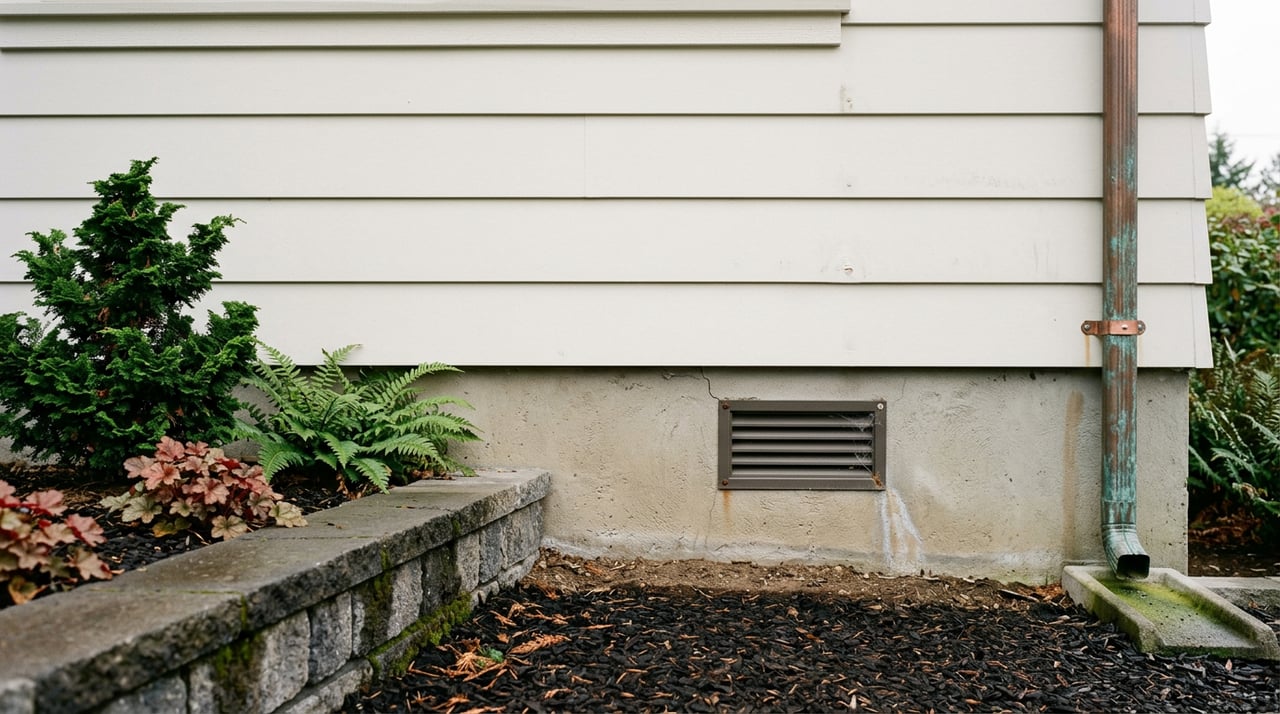
- Foundation movement on steep lots, where drainage and root systems have been working against the soil for decades
- Joint Maintenance Agreements (JMAs) buried in the title commitment on newer Seattle townhome developments, which quietly assign who pays for shared driveways, roofs, and sewer laterals
None of these are reasons to walk away from a house. They're reasons to know, before you remove contingencies, what you're actually buying.
What a sewer scope actually buys you
Queen Anne, Wallingford, Ballard, Phinney Ridge, and Magnolia all carry the same underlying risk: century-old clay sewer pipe running beneath mature tree canopies that have had a hundred years to find every joint and crack in that pipe. An independent sewer scope in this market runs roughly $250 to $400. A failed line that needs full replacement to the city main runs $5,000 to $20,000, sometimes more when the repair trench crosses the public right of way.
| Step | Typical cost | What it tells you |
|---|---|---|
| Independent sewer scope | $250 to $400 | Whether root intrusion or pipe failure exists right now |
| Side sewer replacement to main | $5,000 to $20,000+ | The actual repair bill if the scope comes back bad |
That gap is the entire lesson from the Queen Anne bungalow. A clean-looking scope video attached to a listing is not the same as an independent scope run during your own contingency period, on a camera angle you chose. The cost of finding out is a few hundred dollars. The cost of not finding out shows up the following winter, addressed to Seattle Public Utilities.
The wiring conversation your insurer is already having
Fremont, Phinney Ridge, and the Central District all have pockets of homes still running active knob-and-tube wiring, a system that was standard through the 1940s and shows up in plenty of Seattle houses built before 1950. It isn't automatically dangerous when it's intact and running within its original design load, but it has no ground wire, and modern insurance underwriting has stopped giving it the benefit of the doubt.
Many carriers in 2026 are issuing outright denials on homes with active knob-and-tube. Others will write the policy but require full replacement within a defined window, sometimes as short as 30 days after closing, before coverage actually takes effect. FHA and VA financing frequently stalls or fails outright when an appraiser or inspector flags active knob-and-tube during underwriting. Electrical panels tell a similar story: Federal Pacific Stab-Lok and Zinsco panels, both installed in volume through the 1960s and 1970s, have documented breaker failure rates that put them in replacement territory rather than monitor-and-wait territory.
If a general inspection raises a flag here, a licensed electrician's whole-home evaluation is a cheap way to get clarity fast. Local electricians report charging around $150 plus tax for a walkthrough covering the service line, the panel, and visible wiring, usually about two hours of work. That's a small price to find out whether you're looking at a manageable old-house issue or a financing problem waiting to surface at underwriting.
Hillsides move slower than escrow
Magnolia and Queen Anne sit on hillside soils that respond to drainage, root systems, and time in ways a flat lot never has to deal with. A general inspector's flashlight and level are built for a typical single-story ranch, not for reading decades of slow soil movement on a slope. On these lots, a structural sub-inspection is inexpensive relative to what it protects against, and it's the kind of add-on that rarely occurs to a buyer until after they've already waived the general contingency.
The paragraph in the title report nobody reads
Newer Seattle townhome developments carry a different kind of risk, one that has nothing to do with pipes or wiring. The Joint Maintenance Agreement, or JMA, is a document buried in the title commitment that defines who is responsible for shared driveways, shared roofs, and shared sewer laterals across a townhome project. A JMA that's silent on maintenance responsibility isn't a non-issue. It's a future assessment waiting for its first trigger, whether that's a roof leak, a cracked shared driveway, or a sewer lateral that serves three units instead of one. Reading it before you waive the title contingency costs nothing but a few minutes, and it's the one item on this list that a home inspector will never catch, because it isn't a physical defect. It's a paperwork one.
Where Form 17 fits into your leverage
Washington requires sellers of residential property to complete a Seller Disclosure Statement, universally known as Form 17, under a law that's been on the books since January 1, 1995. The seller has to deliver it within five business days of mutual acceptance, and the buyer then has three business days to walk away and keep their earnest money, no explanation required. If the seller later amends the disclosure with something material, that three-day clock restarts.
The legal standard behind Form 17 is the seller's actual knowledge, not what a thorough inspection might eventually turn up. That single word, actual, is why a seller's decision about whether to commission a pre-listing inspection is a strategic one and not just a marketing choice. Once an inspection report exists, its findings become part of what the seller actually knows, and they have to show up on the disclosure. Sellers weighing whether a pre-inspection helps or hurts their position, particularly on a home that didn't sell the first time around, are really asking a disclosure-strategy question as much as a marketing one.
How to write the contingency so it works for you
A tighter inspection contingency reads as more credible to a seller and does more for a buyer than a vague, open-ended one:
- Keep a 10 to 14 day inspection window, long enough to schedule a structural or sewer specialist without asking for a second extension.
- Limit your written response to major systems and health-and-safety defects, which reassures a seller who's afraid of a cosmetic renegotiation while preserving the credits that actually matter.
- Ask for a repair credit at closing rather than seller-completed repairs, so you control who does the work and how well it gets done.
None of this turns the inspection period into a reason to be adversarial. It turns it into what it was always supposed to be: a chance to reprice the house against real evidence, on both sides of the table.
A few common questions
Does every Seattle seller have to complete Form 17? Most residential sales require it under state law. There are narrow exemptions, including foreclosures and certain estate transfers, but the general rule covers the overwhelming majority of single-family and townhome sales in the city.
Can a seller refuse to pay for anything the inspection finds? Yes. Form 17 is a disclosure of known conditions, not a warranty, and a seller isn't obligated to make repairs just because an inspector notes them. What typically happens instead is a negotiation, whether that's a price adjustment, a closing credit, or the buyer choosing to walk within their contingency period.
Is a sewer scope required in Washington? No, it isn't a legal requirement. On pre-1985 homes in Seattle's older neighborhoods, it's simply the cheapest way to avoid an expensive surprise, which is exactly why buyers who know this market ask for one regardless of what the listing already provides.
If you're weighing a pre-listing inspection before you put a Seattle home on the market, or you're writing an offer and want a contingency structured around what your specific neighborhood tends to hide, the Christophilis Team has walked this exact conversation with sellers and buyers across North and Central Seattle. Schedule a free consultation to talk through your neighborhood's specific risks before you write the next offer or the next listing.