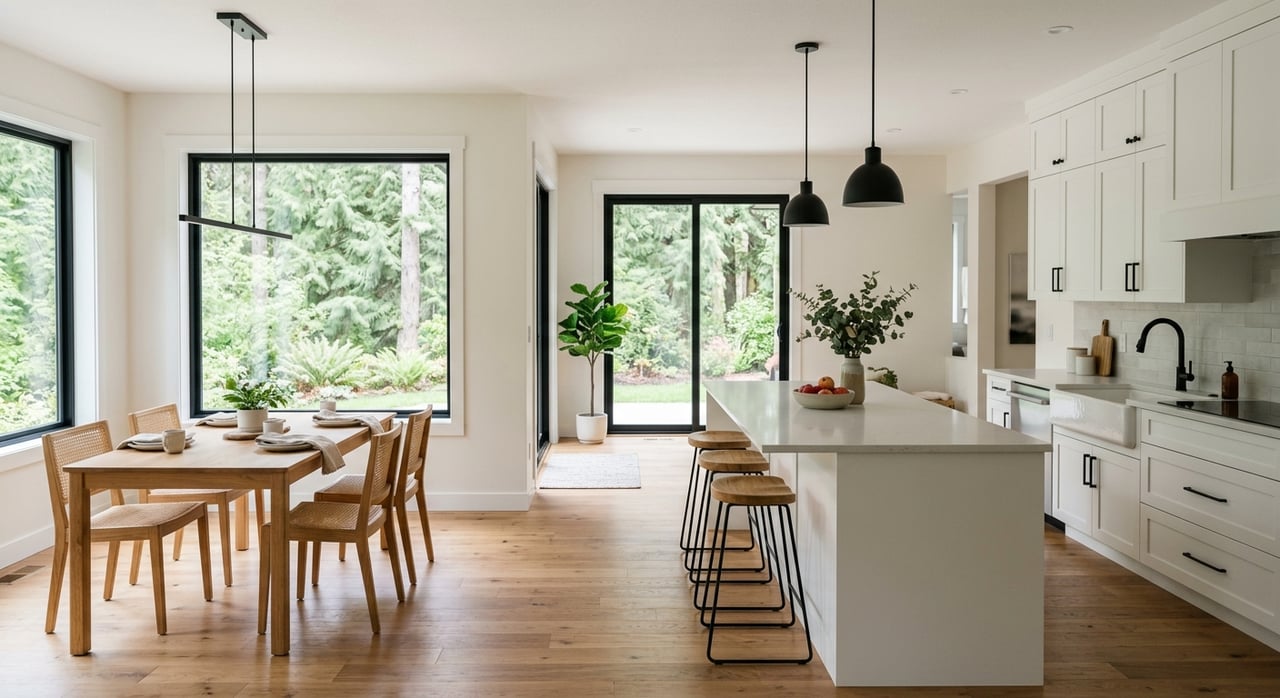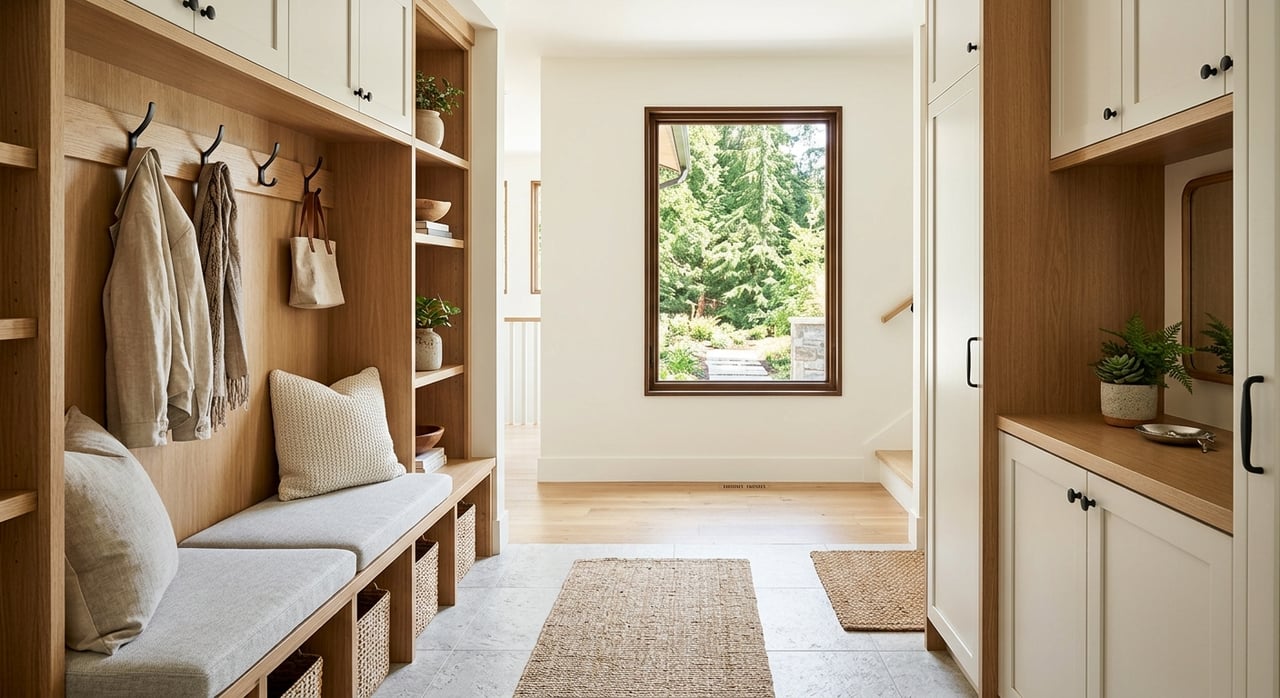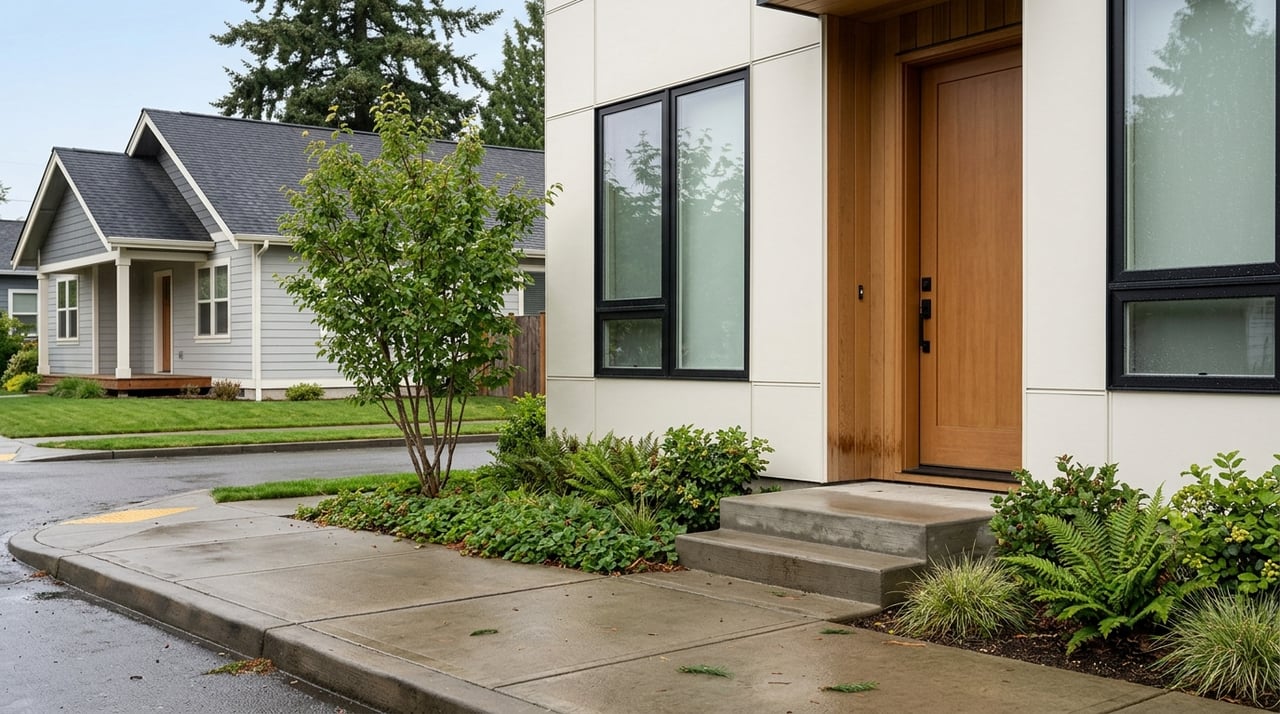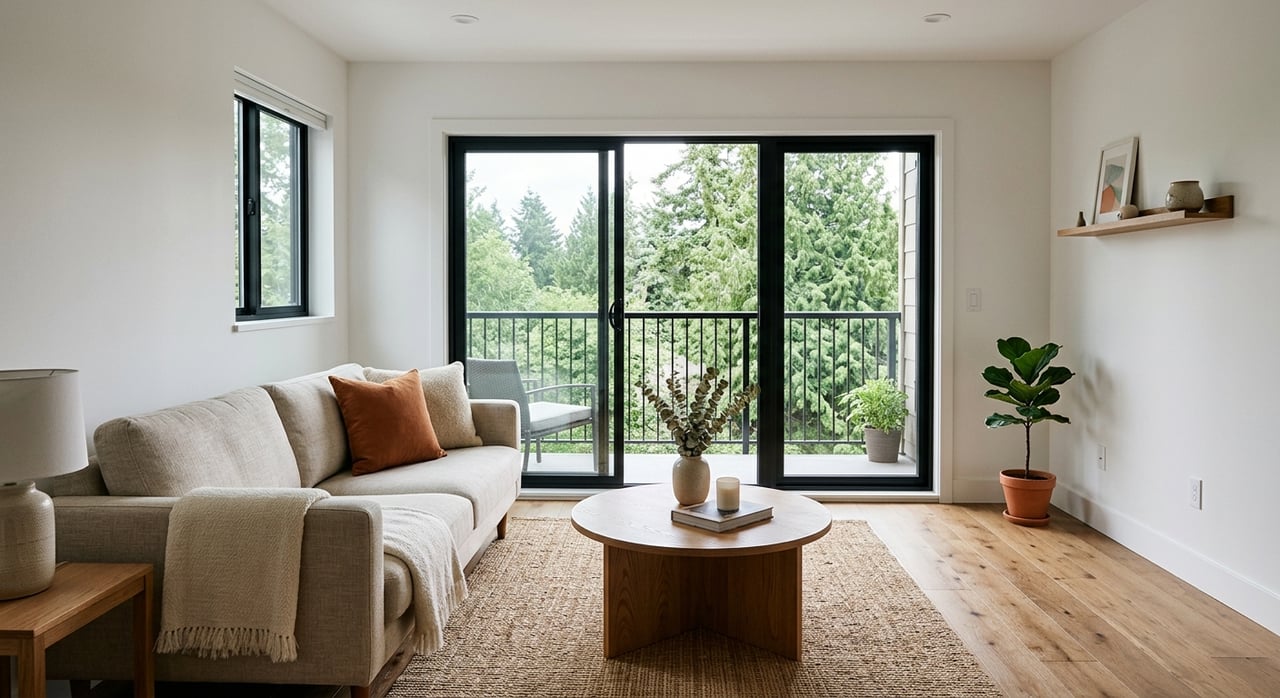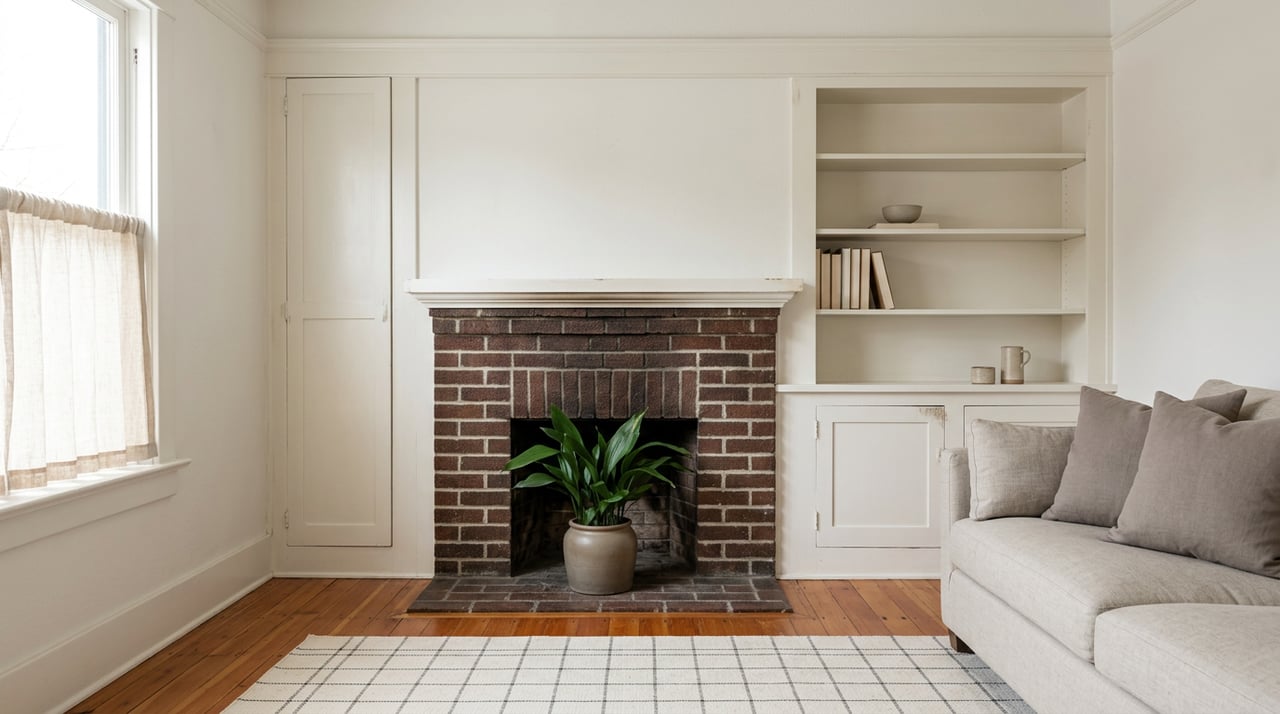
Thinking about selling a Craftsman, mid-century, or post-war home in Seattle? You are not alone. Many sellers wonder how to balance vintage character with today’s buyer expectations. In this guide, you will learn how to price smart, prep efficiently, navigate permits and disclosures, and market your home’s best features without overspending. Let’s dive in.
Seattle market snapshot
Seattle-area prices have been relatively steady, and there are more listings than during the most competitive years. That mix means well-prepared older homes that are priced right can still move quickly, while homes with visible deferred maintenance may sit. You can track current trends in the Seattle housing market overview and recent regional market snapshots from NWMLS. Recent commentary also notes that price cuts in Seattle have moderated, which rewards realistic, data-backed pricing and clean presentation. See the local analysis from Axios Seattle.
What this means for you:
- Price to the market you have, not the one you remember.
- Fix safety and moisture issues first, then focus on cosmetics that show well in photos.
- Highlight period character and pair it with clear evidence of sound systems and maintenance.
Prep priorities that pay off
Low-cost, high-impact refreshes
Simple, neutral updates go a long way in older homes. A whole-house paint refresh, a deep clean, and minor exterior touchups can change first impressions. Staging and professional photography amplify these gains, often helping homes sell faster. Industry reports show many agents recommend staging and curb-focused work before listing; see the NAR findings summarized by GAAR.
Preserve character where it counts. Refinish original hardwoods, restore built-ins, and repair original hardware instead of replacing it when feasible. In West Coast markets, modest interior refreshes like minor kitchen and bath updates and floor refinishing often show stronger resale performance than full gut remodels. For high-level ROI patterns, review this Pacific-focused summary from Schumacher Appraisal.
Boost curb appeal on a budget. Clean gutters, touch up exterior paint, tidy landscaping, and refresh the entry. These items consistently rank well in regional recoup studies and make a strong first impression online and in person.
Safety, code, and buyer expectations
Buyers and lenders look closely at core systems in older Seattle homes. Addressing issues upfront reduces renegotiation later.
- Electrical and plumbing. Outdated wiring and galvanized or cast-iron plumbing often show up in inspections. If you suspect issues, consider a licensed evaluation pre-listing.
- Sewer line. Many Seattle homes benefit from a sewer-scope before listing. If there is a problem, you can plan repairs or price credits strategically. Learn why pre-listing inspections help from this Seattle-focused guide by Zac Lee.
- Roof, flashing, and drainage. In our wet climate, sound roofing, working gutters, and proper site drainage are non-negotiables. Moisture issues frequently drive big repair requests.
- Lead and asbestos in pre-1978 homes. If you plan any work that disturbs paint or certain finishes, know the rules. Review the EPA’s Renovation, Repair and Painting guidance for consumers on pre-1978 homes.
Selective investments that help
Focus on updates buyers notice without over-customizing.
- Kitchens and baths. Cabinet refacing, new counters, lighting, and hardware can refresh the feel without the cost of a full remodel. High-end overhauls often return less per dollar. See regional resale patterns in the Schumacher Appraisal summary.
- Energy and mechanicals. Improved insulation, efficient heating, or a heat pump can be compelling if incentives and operating-cost savings are favorable. These upgrades may broaden buyer interest even if appraisal dollars vary. Verify current city and utility programs before committing.
Permits, disclosures, and historic rules
What needs a permit in Seattle
In Seattle, many remodels that change structure, egress, or the building envelope require permits. Electrical, plumbing, and structural work typically need permits too. Some like-for-like replacements may not require a building permit, but you should confirm details and review your home’s permit history. Start with the Seattle Department of Construction & Inspections guidance on house additions and remodels.
Very minor repairs can be treated differently, but thresholds and exceptions change. If in doubt, ask SDCI before you list so buyers and appraisers see a clean record.
Landmark and historic considerations
Seattle has designated landmarks and several historic districts. Exterior changes visible from the street on landmarked properties may require a Certificate of Approval from the Landmarks Preservation Board. This affects timelines and planning, so start early if your home is designated. Learn more about Seattle landmarks and districts.
Washington seller disclosures
Most residential sales require a seller disclosure statement, often called Form 17. Washington law outlines what you must disclose, the delivery timing, and the buyer’s limited rescission window. This includes known material defects, environmental hazards, and any unpermitted work. Review RCW 64.06 on seller disclosures to understand your obligations.
Pro tip: Assemble an organized packet with permits, receipts, warranties, and inspection summaries. Clear documentation helps buyers and appraisers move forward with confidence.
Inspections, negotiations, and appraisals
Pre-listing inspections work in your favor
A pre-listing inspection can surface surprises early and let you decide what to fix, disclose, or credit. In Seattle, common add-ons include sewer-scopes and wood-destroying organism reports. A thoughtful pre-inspection strategy often shortens contingencies and reduces failed escrows. See this local explainer on pre-listing vs. standard inspections.
Common findings to plan for
Older Seattle homes often show some combination of aging roofs, moisture in basements or crawlspaces, outdated wiring, older plumbing, window seal failures, and sewer-lateral issues. You do not need to fix everything. Prioritize safety and water management first, then price and disclose the rest. If a large repair is likely to come up in negotiations, consider getting bids in advance so you can respond quickly and credibly.
How appraisers view older homes
Appraisers look at recent nearby sales and adjust for condition, systems, and functional utility. Original character can add appeal if buyers in your area pay for it, but deferred maintenance usually triggers downward adjustments. Provide recent permits, contractor receipts, and warranties to support the home’s condition. Organized documentation of sensitive restorations, like window or trim work, can reduce uncertainty.
Marketing your home’s character
Tell a clear, consistent story. Use high-quality photos that showcase built-ins, millwork, fireplaces, and original windows alongside notes about mechanical updates and energy improvements. Buyers want charm plus a solid core.
Staging should highlight, not hide, historic details. Neutral, timeless styling and balanced lighting help buyers focus on the home’s architecture. Many agents recommend staging to improve buyer response and reduce time on market; see the NAR-backed insights summarized by GAAR.
Tailor your message to likely buyers. In-city neighborhoods such as Capitol Hill, Ballard, Columbia City, West Seattle, and Queen Anne often attract buyers who appreciate period style and walkability. For move-up buyers who value turnkey condition, emphasize documented system upgrades and maintenance. For design-minded buyers, point out opportunities to refresh kitchens and baths while preserving key features. If you have a permitted ADU or a usable garage, make sure it is front and center in your materials.
Before you list: quick checklist
- Order a pre-listing inspection and likely add-ons like a sewer-scope.
- Pull your permit history and gather receipts, warranties, and manuals.
- Tackle safety and moisture items first, then do paint, floors, and curb appeal.
- If a major repair may be requested, get bids now so you can respond quickly.
- For pre-1978 homes, understand lead-safe work rules before disturbing paint.
- If your home may be landmarked, confirm exterior-change requirements early.
- Stage thoughtfully and schedule professional photos with clear weather if possible.
- Align list price with current neighborhood comps and market momentum.
Ready to sell with confidence?
Selling an older Seattle home is all about balance. When you pair period charm with smart prep, organized documentation, and a pricing strategy that meets the current market, you set yourself up for a smoother sale and stronger offers. If you want a hands-on plan tailored to your neighborhood, the Christophilis Team brings deep Seattle expertise, proven listing recovery strategies, and polished staging and marketing that connect with today’s buyers. Schedule a free consultation to map your next steps.
FAQs
What updates add the most value before selling an older Seattle home?
- Focus on high-visibility refreshes like paint, floor refinishing, lighting, and curb appeal, and consider modest kitchen or bath updates; regional analyses show minor projects often outperform full gut remodels for resale.
Do I need a permit to remodel my older home in Seattle?
- Many projects that change structure, egress, or the building envelope require permits, and electrical or plumbing work typically needs permits; verify specifics and review your home’s permit history with SDCI.
How do Washington seller disclosures work for older homes?
- Most sales require a Form 17 disclosure that covers systems, hazards, and known unpermitted work; buyers typically receive it soon after mutual acceptance and may have a short rescission window under RCW 64.06.
Should I do a sewer-scope before listing in Seattle?
- Yes, it is common for older homes and can prevent last-minute surprises; knowing the line’s condition lets you choose between repairs, credits, or pricing to reflect its status.
How can I market a Craftsman’s original features without scaring buyers?
- Pair photos of built-ins, millwork, and fireplaces with clear notes on system upgrades, maintenance, and any recent inspections; staging should be neutral and highlight, not hide, historic details.
Are energy upgrades worth it before selling?
- Efficient heating or a heat pump and improved insulation can broaden buyer interest and reduce operating costs; verify current incentives and compare against your neighborhood’s buyer expectations before investing.