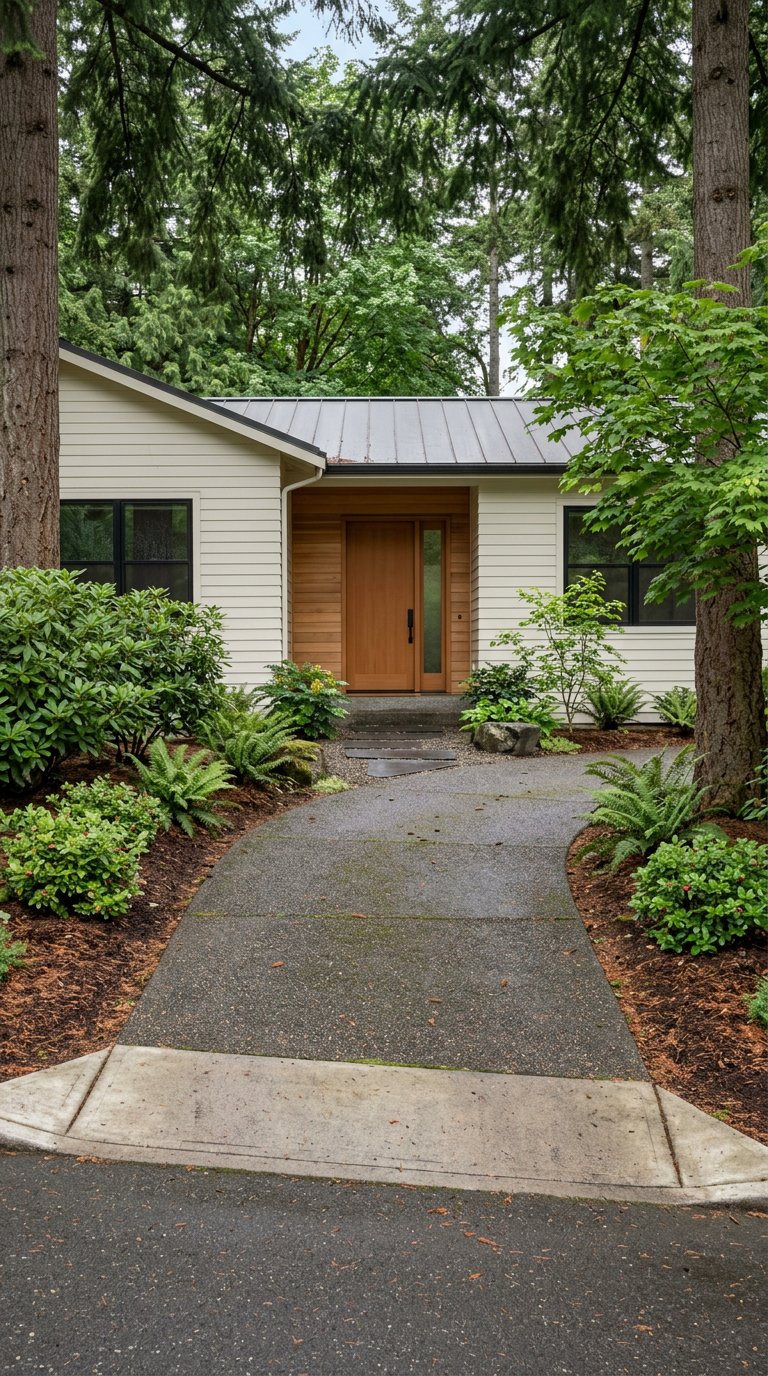
Tucked among evergreens, your Lake Forest Park home offers something buyers crave: quiet privacy with easy access to trails and water. If you’re preparing to sell, the right plan will showcase that natural setting while proving everyday convenience. In this guide, you’ll learn how to present wooded lots, mature landscaping, and tucked‑away spaces so they photograph beautifully, read as low‑maintenance, and meet local rules. Let’s dive in.
Why Privacy Sells Here
Lake Forest Park treats its forest canopy, parks, and trail network as core community assets. The city’s planning documents emphasize conserving trees, connecting trails, and improving waterfront access, which aligns directly with what many buyers want. You can leverage this by positioning your home within that broader canopy and trail story. See how the city frames these priorities in the Lake Forest Park Parks, Recreation, Open Space and Trails Plan.
Local public places often become key listing highlights. For example, Lyon Creek Waterfront Preserve offers a short trail, boardwalk, and a viewing dock, along with salmon habitat improvements. If your home is within walking distance, it is worth noting with accurate, neutral language and a link to the official park page.
The neighborhood also connects to the Burke‑Gilman Trail and a Town Center node, making it easy to translate privacy into everyday outdoor living. Trail access can help buyers picture morning walks, bike rides, and quick errands. For background on the regional corridor, review King County’s draft Burke‑Gilman Trail study.
- Lake Forest Park PROST Plan: city planning focus on canopy and trails
- Lyon Creek Waterfront Preserve: boardwalk, viewing dock, and habitat work
- Burke‑Gilman Trail: regional corridor study
Know the Rules First
Tree code essentials
Before you prune or remove trees, check Lake Forest Park’s Tree Canopy Preservation & Enhancement code (LFPMC Chapter 16.14). The code requires permits or exemptions for many removals, often asks for replacement plans, and references professional ANSI/ISA standards for tree work. Harmful practices such as topping are prohibited, so view improvement should focus on selective thinning and crown lifting by an ISA‑qualified arborist.
- Tree rules: LFPMC Chapter 16.14
Work near creeks carefully
If your property is near Lyon Creek, McKinnon Creek, or other mapped streams, added rules can apply for floodplains, habitat, and shorelines. The city has recently invested in flood‑mitigation and native plantings at Lyon Creek Waterfront Preserve, which shows the level of care around riparian areas. Always confirm requirements with the city before altering vegetation near streams.
- Riparian reference: Lyon Creek Waterfront Preserve
Permit‑smart checklist
- Confirm whether tree removal or pruning requires a permit under LFPMC 16.14.
- Hire an ISA‑qualified arborist for pruning plans that follow ANSI/ISA standards.
- If work is near a stream or steep slope, contact the city to confirm restrictions.
Prep Your Lot by Season
Seattle‑area plant hardiness zones have warmed in recent data, which affects what looks market‑ready across the year. Evergreens shine for year‑round screening, while deciduous trees are fullest in summer. Use the guidance below to plan timing and plantings.
- Climate context: UW explains warming plant‑hardiness trends
Late winter to spring
February through April is a common window for structural pruning on many deciduous trees. This is the time to remove dead wood, lift crowns to open safe sightlines, and prepare beds. Have major cuts done by a qualified arborist and confirm permit needs before any significant work.
- Pruning timing and best practices: Penn State Extension guide
Spring to early summer
From May to June, add low‑maintenance, native understory plants and screening shrubs that mature into layered privacy. Options like salal, evergreen huckleberry, vine maple, and red‑flowering currant can offer texture and screening with less upkeep once established. Clean up beds and edges ahead of photos.
- Native plant resources: UW Botanic Gardens, PNW natives
Summer listing season
June through August is prime time for exteriors. Keep lawns mown and watered, refresh container plants, and plan photography for dry, bright days. Stage patios as outdoor rooms so buyers can picture daily life against the trees.
Fall tune‑up
From September to November, focus on leaf cleanup, removing dead annuals, and adding fresh mulch. If you must list in fall or winter, emphasize evergreen screening and schedule twilight photos to show privacy and warmth even as leaves drop.
Capture Privacy in Photos
Timing and conditions
Late spring through summer shows maximum greenery and full‑leaf privacy. Twilight exteriors add a welcoming glow and highlight outdoor lighting. If your listing launches in winter, consider adding supplementary summer exterior shots to the marketing package.
- Photo timing tips: Realtor.com’s pro advice
Yard prep that pops
A tidy exterior reads as low‑maintenance and move‑in ready. Before the shoot, groom lawns, sweep patios and decks, hide hoses and tools, trim stray branches, clean railings, and switch on exterior lights for dusk sessions. Plan final cleanup 1 to 2 days before the photographer arrives.
Composition that tells truth
Aim for honest, inviting images. Use a tripod and consistent camera height to show accurate proportions. Mix wide views with closer details that highlight screening hedges, covered patios, and path entrances, and avoid extreme wide‑angle distortion.
- Technical tips: Camera height, tripod, and lens guidance
Use drone images correctly
Aerial photos can be the best way to show lot layout, tree canopy, and proximity to parks and trails. For any commercial listing work, use an FAA Part 107‑certified remote pilot and comply with Remote ID and local rules. Ask your photographer for proof of certification.
- Drone compliance: FAA commercial operator guidance
Listing‑day photo checklist
- Mow and edge the lawn, then sweep patios and decks.
- Remove hoses, toys, tools, and trash cans from view.
- Stage outdoor furniture and add simple tabletop decor.
- Turn on exterior fixtures for twilight shots and close garage doors.
- Clear safe sightlines toward any view or outdoor room.
Tell the Trail Story
Name nearby amenities
Buyers often ask about parks and trails. In your flyer or online listing, call out the closest amenities by name, such as Lyon Creek Waterfront Preserve, McKinnon Creek Trail, the Burke‑Gilman Trail, or Town Center. Include 1 to 2 photos of a park entrance, boardwalk, or viewing dock, and verify hours on the city site before publishing.
- Park details: Lyon Creek Waterfront Preserve
Share walk and bike times
Translate privacy into convenience. Measure approximate walking or biking times from your property to the nearest trailhead or Town Center using a mapping tool, then round to a simple estimate. This helps buyers imagine everyday routines.
- Planning context: LFP Parks, Recreation, Open Space and Trails Plan
Show the experience
Short captions can connect features to benefits. For example: “Private back patio framed by evergreens, with a short path to neighborhood trails.” Keep it factual and clear, and link to official pages when you reference specific amenities like the Lyon Creek boardwalk or dock.
Simple, High‑Impact Upgrades
Selective thinning, not topping
To open a gentle sightline toward water or hills, focus on selective thinning and crown lifting rather than aggressive cuts. Always hire an ISA‑qualified arborist who follows ANSI/ISA standards and confirm whether a permit is required under LFPMC 16.14.
- Tree rules and standards: LFPMC Chapter 16.14
- Pruning guidance: Penn State Extension
Create paths and nooks
A short pea‑gravel or mulch path to a bench creates an instant “outdoor room.” These small interventions add narrative to photos and show buyers how to use a wooded lot. Confirm rules if your project touches a public right‑of‑way or a riparian buffer.
Layer native screening
If a fence line feels exposed, consider massing native evergreens or shrubs for privacy. Salal and evergreen huckleberry are good for layered screens, while vine maple offers texture and seasonal interest. Native plants often require less care once established.
- Native plant picks: UW Botanic Gardens resources
Refresh decks and lighting
Power‑wash, touch up stain, and add warm exterior lighting. These updates photograph beautifully at twilight and help your outdoor spaces feel like an extension of the living room.
Our Approach for LFP Sellers
You want your listing to feel both private and practical. We combine neighborhood knowledge with a marketing plan that highlights what Lake Forest Park buyers value: mature trees, trail access, and ready‑to‑enjoy outdoor rooms. Our team coordinates permit‑smart guidance, professional staging and photography, and, when appropriate, compliant aerials to present your home clearly and honestly. If you’re relisting after a stalled attempt, we can reposition the story around privacy, greenery, and everyday access to earn fresh attention.
Ready to craft a marketing plan that puts your trees and trails to work for your sale? Connect with the Christophilis Team to schedule a free consultation and map out your next steps.
FAQs
Lake Forest Park tree rules for view clearing
- Most significant removals require permits and topping is prohibited. Check LFPMC 16.14 and hire an ISA‑qualified arborist for selective thinning and crown lifting.
Using drone photos for my listing
- Yes, if the operator holds an FAA Part 107 certificate and follows Remote ID and applicable rules. Ask for proof before scheduling aerial shots.
Best season to photograph a wooded lot
- Late spring through summer shows full greenery and privacy, with twilight exteriors adding warmth. If listing in winter, supplement with summer exteriors.
How to describe nearby park and trail access
- Name the amenity, share an approximate walk time, and link to the official page for details like hours or features such as a boardwalk or viewing dock.
Choosing plants for privacy screening
- Favor native, low‑maintenance species like salal, evergreen huckleberry, and vine maple, and plan evergreens for year‑round screening that photographs well.